
Kristen Ambos
Chief Production Officer-Midwest | NMLS: 239731
Chief Production Officer-Midwest | NMLS: 239731
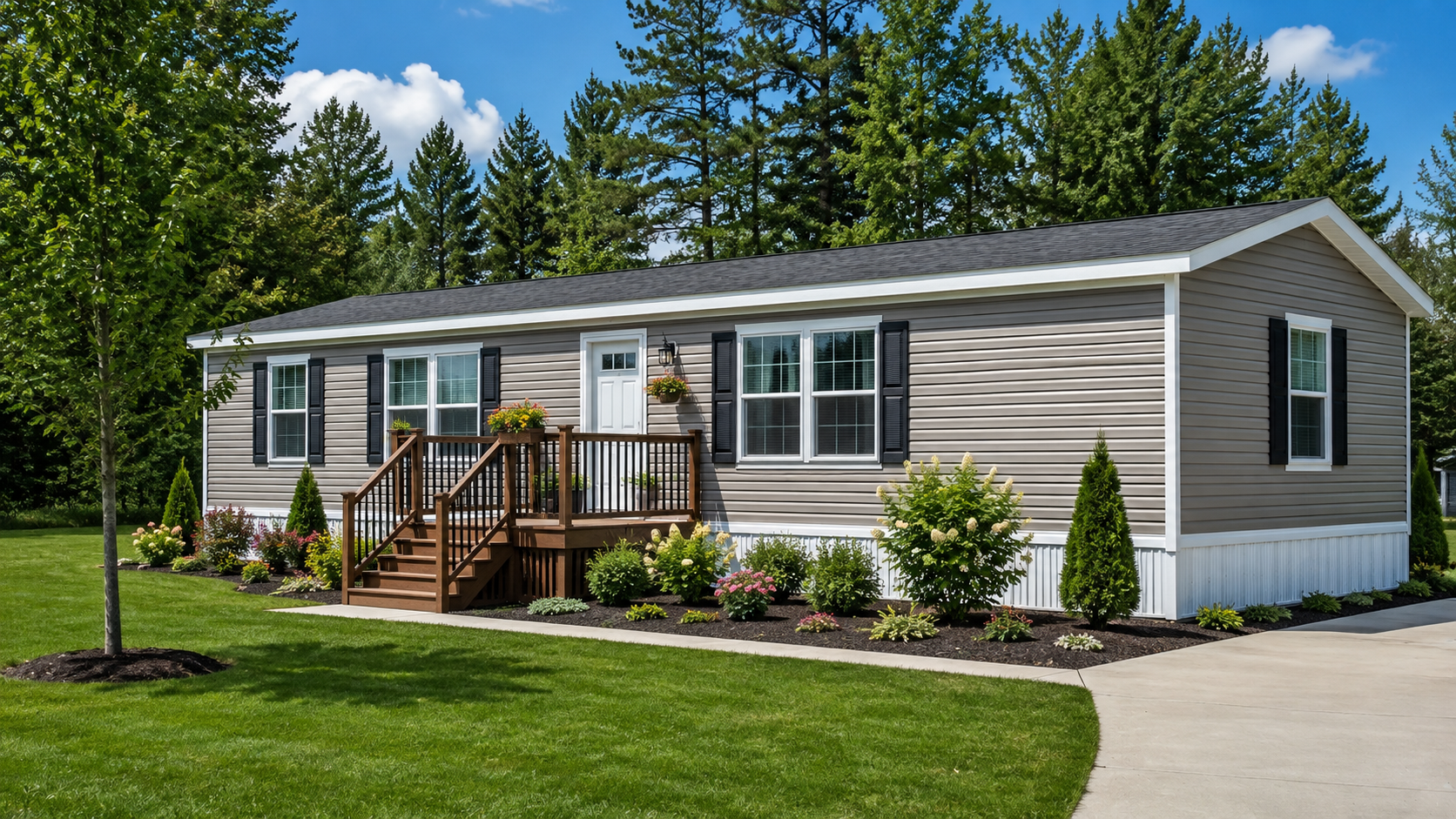
Manufactured homes can give Wisconsin buyers another option in markets where affordability and inventory remain important considerations.
But financing one is not always identical to financing a traditional site-built house.
A manufactured home may look like almost any other property from the road. It may have a garage, additions, landscaping and even a full basement. None of those features alone determine how the property is classified for mortgage purposes.
That classification matters because it can affect the loan program, foundation documentation, insurance, appraisal, titling and closing process.
Before you make an offer on a manufactured home, here are seven things worth investigating.
"Modular" and "manufactured" are often used interchangeably in everyday conversation, but they are not the same thing from a mortgage perspective.
Manufactured housing is constructed under federal manufactured-home standards and built on a permanent chassis.
Modular homes may also contain factory-built components, but mortgage agencies generally treat modular housing separately from HUD-code manufactured housing.
That distinction should be established early rather than assumed from the home's appearance.
A manufactured home can sit over a slab, crawl space or full basement.
A basement does not automatically turn the structure into a stick-built home.
The original construction method still determines the home's classification.
That means a property with a finished basement, attached garage and extensive additions may still require manufactured-housing documentation.
Eligible manufactured homes generally need to be properly installed on an acceptable permanent foundation.
The exact documentation required can depend on the loan program, foundation design, existing records, property modifications and lender or investor guidelines.
In some transactions, additional foundation or engineering documentation may be required.
This is one reason buyers should involve their mortgage lender before writing the offer whenever they know a property is manufactured housing.
June 15, 1976 is an important date in manufactured housing.
Federal Manufactured Home Construction and Safety Standards took effect on June 15, 1976, and homes constructed under those standards carry HUD certification labeling.
Manufactured homes also include manufacturer information that can help establish important property details.
If labels or identifying records are missing, additional research or replacement documentation may be necessary.
Do not wait until the week of closing to start looking.
Manufactured homes sometimes evolve considerably after their original installation.
A homeowner may have added:
• An attached garage
• A deck
• A porch
• Extra living space
• Interior structural modifications
These improvements do not necessarily create a financing problem, but they can change the documentation or property review required for the loan.
Tell the lender about significant additions as early as possible.
Insurance availability and pricing can vary from one manufactured home to another.
Age, roof condition, location, construction details and the insurer's underwriting guidelines may all matter.
Starting the insurance process early can accomplish two things.
First, it helps determine whether acceptable coverage is readily available.
Second, it gives the buyer a more complete picture of the actual monthly housing expense before getting too far into the transaction.
This is one of the easiest issues to overlook.
A manufactured home may have sat on the same land for many years. It may be taxed and assessed along with the property.
That does not necessarily tell you everything about its legal title classification.
For certain conventional mortgage programs, the manufactured home and the land must be legally classified as real property.
If the title status needs to be corrected, that process can affect the closing timeline.
Sellers and listing agents have an advantage when they investigate this before the property goes under contract.
Most manufactured-home financing problems are easier to address when they are discovered early.
Finding out before the offer that a property needs additional documentation is manageable.
Finding out days before closing can be much more disruptive.
Buyers should involve their lender early.
Listing agents should encourage sellers to gather available documentation before the property goes live.
Buyer's agents should tell the lender immediately when the property is manufactured housing.
The goal is not to make manufactured-home financing sound difficult. It is to recognize that the property may involve a few additional questions.
As Kristen Ambos explains in Episode 27 of the Always on Point Podcast, asking those questions early gives everyone a better chance at a cleaner transaction.
Every property and loan scenario is different.
If you are considering a manufactured home, or you're a real estate professional preparing to list one, Kristen Ambos and the Point Mortgage team can help you understand the mortgage questions worth investigating before the transaction moves forward.
Chief Production Officer-Midwest
Point Mortgage Corporation | NMLS: 239731