
Kristen Ambos
Chief Production Officer-Midwest | NMLS: 239731
Chief Production Officer-Midwest | NMLS: 239731
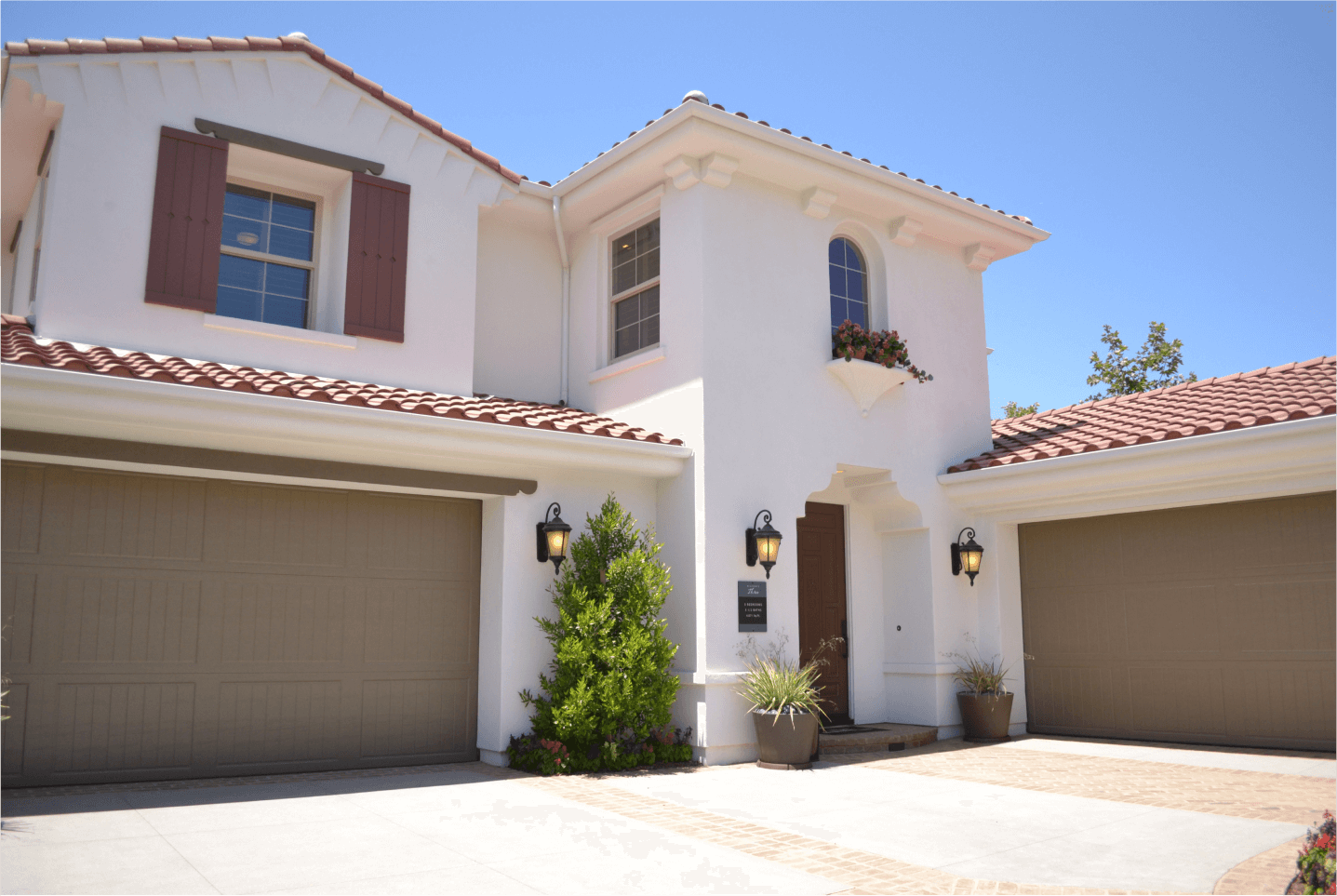
When buying a home in Wisconsin, one of the most important decisions you’ll make isn’t just where to live—it’s choosing the right mortgage type. Specifically, deciding between a fixed-rate mortgage and an adjustable-rate mortgage (ARM) can have a major impact on your monthly payment and long-term financial comfort.
With today’s changing interest rate environment, understanding how each option works—and which fits your goals—is more important than ever.
A fixed-rate mortgage keeps the same interest rate for the entire loan term, typically 15 or 30 years.
Advantages
Predictable monthly payments
Protection from rising interest rates
Easier long-term budgeting
Considerations
Higher starting rate compared to ARMs
Less flexibility if rates decrease in the future
An ARM starts with a lower introductory rate for a set period—commonly 3, 5, 7, or 10 years—then adjusts periodically based on market rates.
Advantages
Lower initial interest rate
Lower monthly payment early on
Can help buyers qualify for more home
Considerations
Payment can increase after the fixed period
More uncertainty long term
Wisconsin’s housing market varies widely—from competitive city markets to more affordable rural areas. Because of that, buyers often have different priorities when it comes to monthly payments and long-term stability.
Many Wisconsin buyers are weighing:
Predictable payments vs. short-term savings
How long they plan to stay in the home as you will have to re-qualify to refinance to another loan option
Whether refinancing or moving is likely in the future
A fixed-rate mortgage is often the best choice if you plan to stay in your home for 10 years or more. It offers stability and protects you from future rate increases, which can be especially valuable if you’re buying a long-term or “forever” home.
An adjustable-rate mortgage may make sense if you expect to:
Move within 5–7 years
Refinance later
Experience income growth
The lower initial payment can improve affordability now while still giving you flexibility later.
If keeping the monthly payment as low as possible is your priority, comparing both loan types side by side is essential. In some cases, an ARM can provide short-term savings, while a fixed rate offers long-term peace of mind.
Consider a Wisconsin buyer purchasing a $350,000 home with strong credit:
30-year fixed-rate loan: Higher initial rate but consistent payment for the life of the loan
5-year ARM: Lower payment for the first five years, with potential increases afterward
If the buyer plans to sell or refinance within a few years, the ARM could save money upfront. If the buyer plans to stay long term, the fixed rate may be the safer option.
There is no universal answer when choosing between fixed and adjustable rates. The right choice depends on your timeline, financial goals, and comfort with risk.
Fixed-rate mortgages work best for buyers who value stability and plan to stay long term.
Adjustable-rate mortgages can be effective for buyers with short- to mid-term plans who want lower payments now.
The best approach is to review both options with real numbers tailored to your situation.
With LOVE,
Kristen Ambos
Chief Production Officer-Midwest
Point Mortgage Corporation | NMLS: 239731